India is home to a rich and diverse range of wildlife, including several species of freshwater, marine, and terrestrial turtles. Over the years, many turtle species have faced severe threats from habitat loss, illegal trade, pollution, and climate change. As a result, the Indian government and various conservation organisations have taken strong steps to protect them. But why exactly have these turtles been placed under protection? The answer lies in their ecological importance, cultural significance, and the urgent need to prevent their decline.
1. Ecological Importance of Turtles
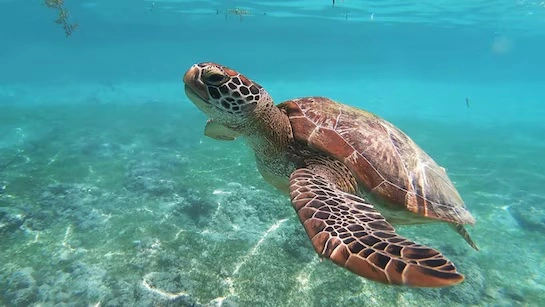
Turtles play a vital role in maintaining healthy ecosystems. Whether in rivers, oceans, or wetlands, they contribute to balancing the natural environment.
- River turtles help control aquatic vegetation and maintain clean water by feeding on algae and dead matter.
- Marine turtles, like the Olive Ridley and Green turtle, protect marine ecosystems by maintaining healthy sea grass beds and coral reefs.
- Forest and land turtles help disperse seeds, which supports plant regeneration.
Without turtles, these natural systems would suffer, leading to an imbalance that affects other species—including humans. Protecting turtles means protecting entire ecosystems.
2. Many Turtle Species Are Threatened or Endangered
Several turtle species found in India are now listed as endangered or critically endangered due to years of unchecked exploitation. Some of the most threatened include:
- Olive Ridley Turtle
- Green Sea Turtle
- Hawksbill Turtle
- Indian Flapshell Turtle
- Black Softshell Turtle
- Red-Crowned Roofed Turtle
Many freshwater species face a sharp population decline because of polluted rivers, sand mining, dam construction, and illegal hunting. Meanwhile, marine turtles are affected by ghost nets, fishing trawlers, plastic waste, and coastal development.
These alarming population drops triggered urgent conservation actions, resulting in strong legal protection for turtles across India.
3. Cultural and Traditional Significance
In Indian culture, turtles hold a special symbolic place. The Kurma avatar—an incarnation of Lord Vishnu—is often represented as a turtle. Many communities consider turtles sacred and believe they bring good fortune and stability.
However, this respect has also, at times, led to exploitation. Turtle shells, eggs, and meat have been used in rituals and traditional medicine in some regions. To prevent overharvesting and ensure that cultural beliefs do not harm vulnerable species, strict protection measures became essential.
4. Legal Protection Under Wildlife Laws
In India, endangered turtles are protected under:
- Wildlife Protection Act, 1972 (Schedule I)
- Convention on International Trade in Endangered Species (CITES)
- Coastal Regulation Zone (CRZ) rules
- Marine Fisheries Act (state-wise regulations)
Species under Schedule I receive the same level of protection as tigers and elephants. Hunting, trading, or transporting these turtles—or their eggs—is a punishable offence.
These laws were introduced not only to punish offenders but also to create a framework for conservation, management, and rehabilitation of turtle populations.
5. Threat of Illegal Wildlife Trade
Turtles are heavily trafficked in India. Poachers target them for:
- Meat
- Skin and shells
- Eggs
- Pet trade
- Traditional medicine
Freshwater species, especially the Indian Star Tortoise, are smuggled to Southeast Asia and Europe for the exotic pet market. Marine turtle eggs are stolen from nesting beaches and sold illegally.
To curb this, the government created dedicated anti-poaching units, conducted regular raids, and partnered with international agencies to monitor trade routes. Protecting turtles became necessary to combat this massive illegal wildlife market.
6. Conservation Projects and Community Involvement
Protection is not just legal—it also comes from strong on-ground action. India has launched several projects to safeguard turtle populations:
- Olive Ridley conservation at Odisha’s Gahirmatha and Rushikulya beaches
- Marine Turtle Conservation Programme by the Wildlife Institute of India
- Sunderbans freshwater turtle habitat restoration
- Community-driven conservation in states like Gujarat, Tamil Nadu, and Kerala
Local fishermen now participate in rescue operations, many beaches have volunteers monitoring nesting sites, and NGOs work with coastal communities to reduce turtle deaths. This combined effort ensures long-term protection.
7. Climate Change and the Need for Stronger Protection
Rising temperatures, sea level rise, and changing monsoon patterns are affecting turtle nesting sites. For example, the sex of marine turtle hatchlings depends on sand temperature—warmer sands produce more females, threatening future population balance.
Additionally, stronger cyclones and beach erosion destroy nesting habitats.
These climate challenges make turtle protection more urgent than ever. Conservation efforts help prepare vulnerable species to adapt and survive in changing conditions.
Conclusion
Turtles have been protected in India because they are essential to the environment, culturally significant, threatened by human activity, and deeply vulnerable to climate change. Their survival reflects the health of oceans, rivers, and forests. When we protect turtles, we protect entire ecosystems and ensure that future generations inherit a richer, more balanced natural world.
India’s strong conservation policies, community involvement, and scientific efforts offer hope but continued awareness and responsibility from citizens will determine the long-term success of turtle protection.