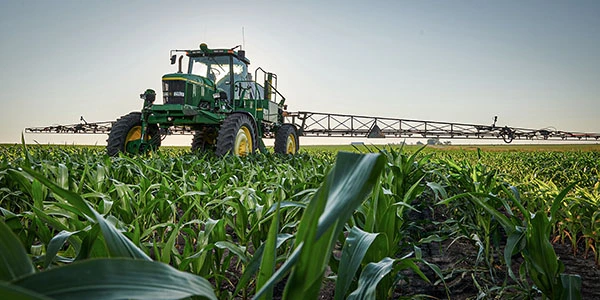
Agriculture has always been the backbone of India’s economy. Even though the country has made great progress in industry, technology, and services, farming continues to hold a central place in Indian society. From providing employment to ensuring food security, agriculture plays a role that goes far beyond crop production. It shapes India’s villages, influences our culture, drives rural development, and sustains millions of livelihoods.
But why exactly is agriculture so important in India? The reasons are deeply rooted in India’s history, economy, and social fabric. Here’s a detailed look at why farming remains one of the nation’s most critical sectors.
1. A Major Source of Employment

Agriculture is the largest employer in India. More than 40% of India’s workforce is directly or indirectly dependent on farming and allied activities such as dairy, fisheries, forestry, and poultry.
In rural India, agriculture is not just an occupation—it is a way of life. For many families, farming is their primary source of income. It supports millions of agricultural labourers, small farmers, landless workers, and women who play a crucial role in rural fields and households.
Even as India moves towards a more urban economy, agriculture continues to create employment in vast rural areas where industrial jobs are limited.
2. Ensures Food Security for 1.4 Billion People
India is the world’s most populous country, and feeding this massive population is a huge responsibility. Agriculture ensures that everyone—from big cities to small towns and villages—has access to the food they need.
Thanks to strong agricultural growth, India is:
- The largest producer of milk
- The second-largest producer of rice and wheat
- A leading producer of fruits, vegetables, pulses, and spices
The Green Revolution of the 1960s transformed India from a food-deficient nation to a food-surplus one. Today, India not only feeds itself but also exports food to many countries.
Without a strong agricultural base, ensuring food availability and price stability would be extremely difficult.
3. Supports Rural Economy and Village Development
India’s heart lies in its villages, and agriculture is the engine that drives the rural economy. Farmers spend their income on seeds, fertilizers, tools, transport, education, and local services, helping rural markets grow.
Agriculture influences:
- Rural employment
- Local businesses
- Transportation and storage networks
- Development of schools and health centres
When agriculture grows, rural incomes rise, migration to cities reduces, and overall development becomes more balanced.
4. Major Contributor to India’s GDP
While agriculture’s share in India’s GDP has declined compared to earlier decades, it still contributes around 14–16% of the country’s total GDP. More importantly, the sector supports several allied industries such as:
- Food processing
- Textiles
- Fertilizers
- Pesticides
- Tractors and farm equipment
- Warehousing and cold storage
Many Indian industries depend heavily on agricultural raw materials. For example, cotton supports the textile industry, sugarcane supports sugar mills, and grains support food processing companies.
5. Plays a Key Role in Exports
Agricultural exports are a major source of foreign exchange for India. The country exports:
- Rice
- Spices
- Tea and coffee
- Fruits and vegetables
- Cotton
- Marine products
Indian basmati rice, spices like turmeric and cardamom, and Darjeeling tea are world-famous. These exports strengthen India’s global trade position and support millions of farmers and workers involved in the supply chain.
6. Essential for Cultural and Social Identity
Agriculture is intertwined with India’s culture and traditions. Many Indian festivals—such as Pongal, Baisakhi, Onam, Lohri, and Makar Sankranti—are linked to harvest seasons. Rural customs, rituals, and community life largely revolve around farming cycles.
Food habits across India—rice in the south and east, wheat in the north, millets in the west—are shaped by local agricultural practices. Agriculture is not just an economic activity; it is a cultural foundation that preserves India’s heritage.
7. Supports Environmental Balance
Agriculture contributes to environmental sustainability when practiced responsibly. Activities like agroforestry, organic farming, rainwater harvesting, and crop rotation help:
- Improve soil fertility
- Conserve water
- Reduce carbon footprints
- Protect biodiversity
India’s diverse climates and landscapes—from Himalayan terraces to coastal fields—create a wide variety of agricultural ecosystems that support both nature and human life.
8. Backbone of Food Processing and Allied Industries
India’s food processing sector, which is one of the fastest growing in the world, depends directly on agricultural production. From packaged foods to dairy products, from sugar mills to oil extraction units—nearly all depend on farm output.
A strong agricultural system ensures a steady supply of raw materials, helping industries grow and creating jobs in manufacturing, logistics, and retail.
9. Critical for Reducing Poverty and Inequality
Agricultural growth has a direct impact on poverty reduction. When farmers earn more, rural households improve their standard of living. Better incomes lead to:
- Higher school enrollment
- Improved nutrition
- Better healthcare
- Stronger local economies
Agriculture remains the most effective tool for uplifting rural poor populations.
Conclusion
Even as India embraces digital technology, modern industries, and urban development, agriculture remains the foundation of the country’s economy and identity. It feeds the nation, supports millions of livelihoods, strengthens exports, and preserves cultural heritage.
India’s future growth will continue to depend on how well it supports and modernises its agricultural sector—ensuring that farmers are empowered, rural economies are strengthened, and food security remains robust.