As businesses across industries look for ways to reduce operating costs, improve energy efficiency, and meet sustainability goals, heat pump technology is gaining significant attention. From hotels and hospitals to manufacturing units, educational institutions, and commercial complexes, heat pumps are becoming a preferred solution for water heating and temperature control. Their ability to deliver high performance while consuming less energy makes them an attractive long-term investment for commercial facilities.
Rising Energy Costs Are Driving Change
Energy expenses represent a substantial portion of operational costs in many commercial establishments. Traditional water heating systems that rely on electricity, diesel, LPG, or other fuels can be expensive to operate, especially when hot water demand is continuous.
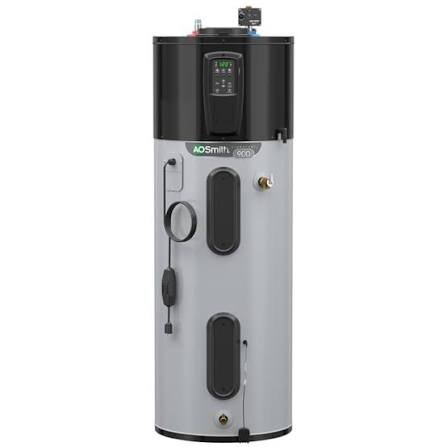
Heat pumps offer a more energy-efficient alternative by transferring heat from the surrounding air rather than generating heat directly. This process allows them to produce significantly more heat energy than the electrical energy they consume, helping facilities reduce utility bills and improve overall energy management.
Improved Energy Efficiency
One of the primary reasons commercial facilities are investing in heat pumps is their exceptional efficiency. Unlike conventional heating systems that convert fuel or electricity directly into heat, heat pumps utilise renewable heat available in the ambient air.
This enables them to achieve high Coefficient of Performance (COP) ratings, often producing multiple units of heat for every unit of electricity consumed. For businesses with large-scale hot water requirements, such efficiency translates into substantial savings over time.
Supporting Sustainability Goals
Environmental responsibility has become a key priority for modern businesses. Many organisations are actively working to reduce their carbon footprint and comply with sustainability standards.
Heat pumps contribute to these objectives by lowering greenhouse gas emissions compared to traditional fuel-based heating systems. Since they require less energy to operate and can be integrated with renewable energy sources such as solar power, they help facilities move closer to their environmental targets while maintaining operational efficiency.
Reliable Hot Water for High-Demand Applications
Commercial facilities often require large volumes of hot water throughout the day. Hotels need hot water for guest rooms and laundry operations; hospitals require it for hygiene and sanitation, while manufacturing facilities depend on it for various industrial processes.
Modern heat pump systems are designed to handle these demanding applications efficiently. With proper sizing and storage solutions, they can provide a consistent supply of hot water while maintaining stable performance across varying demand levels.
Lower Maintenance Requirements
Compared to fuel-fired boilers and some conventional heating systems, heat pumps generally involve fewer combustion-related components. This can reduce maintenance requirements and minimise issues associated with fuel handling, burner servicing, and exhaust management.
Regular inspections and preventive maintenance are still necessary, but many commercial operators find that heat pumps offer a simpler and more cost-effective maintenance profile over their operational lifespan.
Long-Term Return on Investment
Although the initial installation cost of a heat pump system may be higher than certain traditional alternatives, the long-term financial benefits often outweigh the upfront investment. Reduced energy consumption, lower operating costs, and decreased maintenance expenses contribute to a favourable return on investment.
Many businesses find that the savings generated over the system’s lifespan make heat pumps a financially sound decision, particularly in facilities with continuous or high-volume hot water requirements.
Compliance with Energy Regulations
Governments and regulatory bodies are increasingly encouraging the adoption of energy-efficient technologies. Commercial facilities are under growing pressure to meet energy performance standards and reduce emissions.
Investing in heat pumps helps organisations align with these regulations while future-proofing their infrastructure against evolving environmental requirements. This proactive approach can also enhance a company’s reputation among customers, investors, and stakeholders.
Conclusion
A combination of economic and environmental factors drives the growing adoption of heat pumps in commercial facilities. Their ability to deliver energy-efficient heating, reduce operating costs, support sustainability initiatives, and provide reliable hot water makes them a valuable asset across various industries. As businesses continue to prioritise efficiency and long-term savings, heat pumps are expected to play an increasingly important role in commercial energy management strategies.