Loan settlement is often considered when a borrower is unable to repay the full loan amount due to financial stress. Situations such as job loss, medical emergencies, or multiple EMIs can make repayment difficult, and settlement helps reduce the outstanding burden. While this step can bring immediate relief, it also has an impact on your credit report and may lower your credit score.
When a loan is settled, the lender agrees to accept a reduced amount than what was originally owed. In your credit report, the loan status is usually marked as “settled” instead of “closed.” This indicates that the full amount was not repaid, which can reduce lender confidence and cause your score to drop for some time.
However, this does not mean your financial future is permanently affected. With consistent financial discipline and the right approach, it is possible to improve CIBIL score after settlement and rebuild your credit profile.
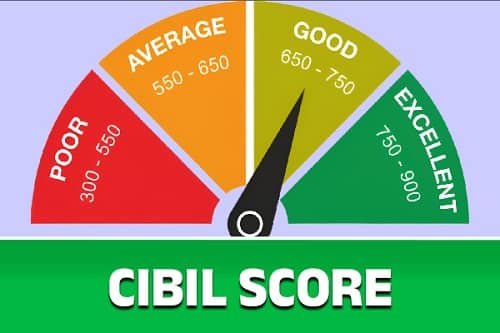
Why Loan Settlement Affects Your Credit Score
Your credit score is calculated based on several factors, such as repayment history, credit utilisation, credit mix, and the number of credit inquiries. When a loan is settled rather than fully repaid, it affects your repayment history, which is one of the most important components of the score.
Lenders view a settled account as a sign that the borrower faced difficulty in repaying the loan completely. Due to this, banks and financial institutions may be cautious while approving new loans until they see a consistent record of responsible credit behaviour.
The good news is that credit scores are dynamic. With time and proper financial habits, borrowers can improve their CIBIL score and rebuild trust with lenders.
Steps to Improve CIBIL Score After Settlement
Rebuilding your credit score after a settlement requires patience and consistent effort. The following steps can help strengthen your credit profile over time.
1. Review Your Credit Report Carefully
The first step is to check your credit report from a recognised credit bureau. Make sure the settled loan is correctly reported and that there are no incorrect entries, such as duplicate loans, incorrect balances, or errors in repayment status.
Even small inaccuracies can affect your score. If you notice any errors, you should immediately raise a dispute with the credit bureau and request a correction.
2. Maintain a Perfect Payment Record
Payment history plays a key role in determining your credit score. After settlement, it becomes even more important to ensure that all current financial obligations are paid on time. This includes credit card bills, loan EMIs, and other credit repayments. Timely payments gradually rebuild your credit history and show lenders that you are now managing your finances responsibly. Over time, this consistent behaviour helps improve the CIBIL score after settlement.
3. Keep Your Credit Utilisation Low
How you use your credit card matters a lot when rebuilding your credit profile. Lenders look at whether a person relies heavily on their credit limit or uses it carefully.
A good approach is to avoid using the full credit limit available on your card. For example, if your credit card limit is ₹1,00,000, it is better to spend only a small portion of that amount instead of using the entire limit regularly.
Keeping your spending controlled shows lenders that you are managing credit responsibly and not depending too much on borrowed money. Over time, this habit helps improve your CIBIL score and strengthens your overall credit profile.
4. Avoid Frequent Credit Applications
Applying for multiple loans or credit cards within a short period can negatively affect your credit score. Each application results in a hard inquiry on your credit report.
Too many inquiries can make lenders believe that you are under financial pressure and actively seeking credit. This may reduce your chances of approval and slow down your credit recovery process.
How to Get a 740 Credit Score After Settlement
Many borrowers wonder if they can get a 740 credit score or not after facing credit difficulties. While there is no instant solution, a score of 740 is achievable with consistent financial discipline.
To reach this level, borrowers should focus on maintaining a long record of timely payments, keeping credit utilisation low, and avoiding unnecessary debt. It is also important to keep older credit accounts active, as a longer credit history helps strengthen your credit profile.
Credit Score Benefits You Should Know
A good credit score offers several advantages that can improve your financial opportunities. Understanding these credit score benefits can motivate borrowers to rebuild their credit profile after settlement.
Some of the major benefits include:
- Faster approval for personal loans, home loans, and credit cards
- Lower interest rates from banks and financial institutions
- Higher loan eligibility based on stronger creditworthiness
- Access to premium credit card offers and higher limits
- Greater financial flexibility during emergencies
In simple terms, a healthy credit score makes borrowing easier and more affordable.
Moving Towards Long-Term Financial Stability
Loan settlement may be a practical solution for borrowers dealing with heavy debt pressure. However, rebuilding your financial health afterward is equally important.
Many borrowers benefit from proper financial guidance and structured support during this stage. Platforms like FREED focus on helping individuals manage debt responsibly while also educating them about rebuilding their financial stability and credit profile over time.
The goal is not only to resolve debt challenges but also to guide borrowers toward a more secure and confident financial future.
Conclusion
A loan settlement may temporarily lower your credit score, but it does not define your long-term financial standing. By following responsible credit habits, reviewing your credit report regularly, and maintaining timely payments, you can gradually improve your CIBIL score after settlement.
Credit recovery takes time, but with patience and discipline, borrowers can regain lender confidence and work their way toward stronger scores. As your financial behaviour improves, the path to better opportunities and long-term stability becomes much clearer.