On January 26, 2026 — India’s Republic Day — the Government of India announced its annual Padma Awards list, celebrating citizens whose work has made a deep impact in art, culture, science, public service and more. Among the distinguished names this year was Ranganathan Madhavan, better known as R. Madhavan, honoured with the Padma Shri — the nation’s fourth-highest civilian award.
The announcement made headlines across the country and across film industries, marking a proud moment for Indian cinema. Fans, peers and media alike hailed the recognition as long overdue for an actor whose work spans nearly three decades.
What the Padma Shri Means
The Padma Awards — categorised into Padma Vibhushan, Padma Bhushan and Padma Shri — are among India’s oldest and most respected civilian honours. They acknowledge outstanding contributions that elevate the nation’s cultural, artistic, scientific or social heritage. The Padma Shri specifically honours distinguished service of a high order in any field.
Being on the Padma list is not just a personal achievement. It is recognition by the nation for years of dedication, excellence and influence. In R. Madhavan’s case, it reflects both his artistic versatility and his evolving role as a cultural voice.
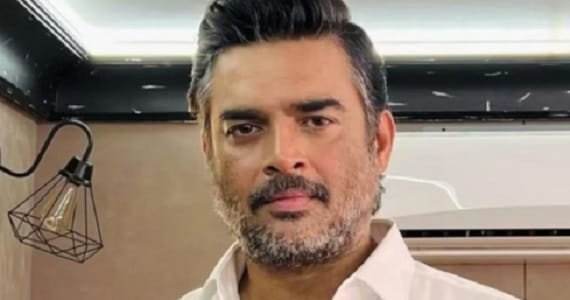
Madhavan’s Reaction
In his own words, Madhavan called the honour “beyond my wildest dreams,” expressing gratitude with humility and grace. He shared that he accepted the award on behalf of his family, mentors, fans and everyone who stood by him during his journey.
He also said he views the Padma Shri not just as an accolade but as a responsibility — a reminder to continue his work with sincerity, dignity and commitment. This sentiment resonated widely on social media and in interviews, striking a chord with young artists and audiences alike.
A Career Built on Versatility
Born in 1970 in Jamshedpur, Madhavan has been a familiar face across Indian cinema since the early 1990s. Over his long career, he has worn many hats — actor, writer, producer and director.
His breakthrough came in Tamil cinema with films like Alai Payuthey and Minnale, and he quickly gained acclaim for performances in both commercial and critically lauded movies. He smoothly transitioned into Hindi films, featuring in Rehna Hai Tere Dil Mein, Rang De Basanti, 3 Idiots and more.
Later in his career, he moved into production and direction. His directorial and lead role in Rocketry: The Nambi Effect earned him the National Film Award and critical acclaim for telling the remarkable story of space scientist Nambi Narayanan.
More recently, his films like Dhurandhar continued to find commercial success, proving his box-office pull remains strong while his choices keep evolving.
Impact Beyond the Screen
While Madhavan’s on-screen charisma and acting range have been central to his legacy, he also stands out for using his voice beyond entertainment. Over years he has supported causes related to environment, education and social issues, and has served as the President of the Film and Television Institute of India (FTII), shaping the next generation of filmmakers and actors.
His ability to balance commercial appeal with meaningful projects sets him apart. Whether leading a light-hearted romance or a hard-hitting biographical drama, he brings a thoughtful presence that audiences connect with.
Why This Matters
In a nation with a rich and diverse film culture, being recognised with the Padma Shri is a moment of pride not just for the recipient but for the stories they represent. R. Madhavan’s career mirrors the growth of Indian cinema itself — rooted in regional traditions, fluent in global trends, and always striving to push boundaries.
For many fans, this award feels like a celebration of decades of memories — roles that made them laugh, think and feel. For younger artists, it stands as encouragement to carve their own paths with authenticity.
Final Thought
Madhavan’s Padma Shri isn’t just a shiny medal for his shelf. It’s a milestone in a long journey of craft, courage and connection with audiences across languages and generations. As he himself said, it marks not an end but a new beginning — a call to keep creating, inspiring and uplifting through cinema and beyond.