Disruption is no longer an occasional challenge, it is a constant reality. Technological advances, digital transformation, shifting consumer expectations, and global uncertainties are redefining how organisations operate. In this environment, senior professionals are expected to lead with clarity, resilience, and strategic foresight.
Strategic leadership in the age of disruption requires more than experience. It demands adaptability, enterprise-level thinking, and a commitment to continuous learning. Upskilling has therefore become a strategic necessity rather than a career enhancement option.
Why Disruption Demands a New Leadership Mindset
Traditional leadership approaches often relied on stability, predictable markets, and incremental growth. Today’s leaders, however, must navigate rapid change, complex stakeholder expectations, and competitive pressures.
Disruption challenges established business models and operating structures. Senior professionals must therefore develop the ability to anticipate trends, respond proactively to uncertainty, and align teams around evolving strategic priorities. A forward-looking leadership mindset ensures organisations remain agile and competitive.
Core Strategic Capabilities Senior Leaders Must Build
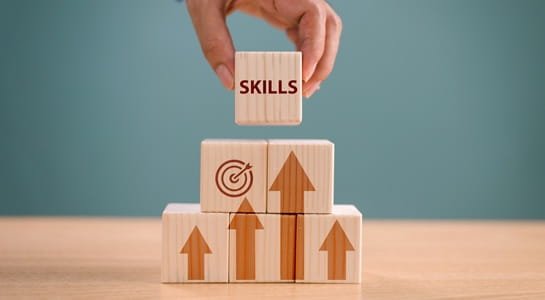
To lead effectively in disruptive environments, senior professionals must strengthen a combination of strategic, analytical, and people-focused capabilities.
Some essential capabilities include:
- Strategic foresight and scenario planning to anticipate emerging risks and opportunities
- Enterprise-level decision-making under ambiguity and pressure
- Change leadership and stakeholder alignment across diverse teams
- Resilience and adaptability in rapidly evolving business landscapes
Many leaders choose structured learning pathways such as a certificate programme in strategy and leadership to enhance these capabilities and apply them in real organisational contexts.
The Role of Structured Upskilling in Leadership Transformation
Continuous upskilling enables leaders to remain relevant in a disruptive business environment. Exposure to contemporary frameworks, peer discussions, and real-world case studies helps professionals refine their strategic approach and broaden their perspectives.
Programmes such as an iim leadeship and change management programme support senior professionals in strengthening their ability to lead transformation initiatives, manage complexity, and drive sustainable performance. Such structured learning ensures leadership capability evolves alongside business challenges.
Conclusion
Strategic leadership in the age of disruption requires more than experience—it demands continuous learning, adaptability, and enterprise-level thinking. Senior professionals who invest in upskilling are better positioned to guide organisations through uncertainty and long-term transformation.
By strengthening strategic and change leadership capabilities, leaders can ensure they remain effective, resilient, and future-ready in an increasingly disruptive business landscape.