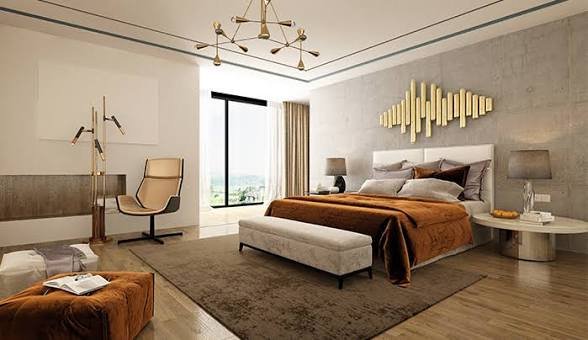
1. Introduction to Neuro-Design & Why It Matters Today
Neuro-design is the idea of planning homes by understanding how the human brain reacts to space. It looks at how room layout, light, colours, furniture, as well as materials affect the way as to how we feel and behave every day.
Our homes are not just about offering you comfort. They shape our mood, focus, sleep quality, stress levels, and even how clearly we think. A crowded room can make the mind feel tired. A calm space can help us relax and think better.
In Indian homes, neuro-design is becoming more important. Many people now work from home. Cities are crowded, homes are smaller, and stress levels are high. People need homes that support mental peace, focus, and rest, not just style.
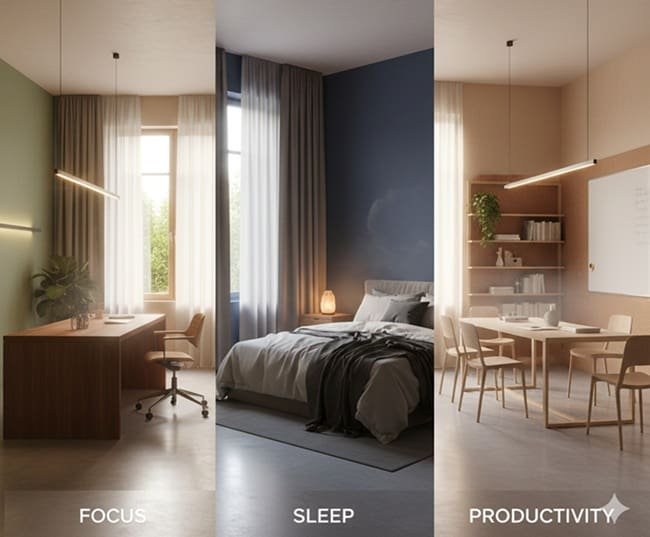
2. The Brain–Space Connection: How Layouts Affect Mood & Thinking
The brain is always about reading the space around us. Too much visual noise, clutter, or sharp lighting can overload the mind. This can lead to irritation, stress, and low focus. Clean layouts, balance, as well as good lighting help the brain to feel safe as well as calm.
Clutter makes the brain work harder. When the mind sees too many things at once, it gets tired faster. This leads to poor focus and slow thinking.
Home spaces also affect brain chemicals. Calm and organised spaces can support happy feelings and lower stress. Dark, noisy, or messy spaces can increase stress and mental fatigue.
Studies in environmental psychology show that peaceful spaces help people make better decisions, feel less pressure, and stay emotionally steady during the day.
3. Interiors That Support Focus & Productivity
A good workspace should reduce distractions. Simple layouts, along with closed storage, help you to keep your mind clear. When things are hidden plus organised, the brain can focus in a better way.
Natural light is very important. A desk near a window helps improve alertness and energy. If natural light is limited, soft white task lighting works well. Avoid harsh overhead lights.
Furniture direction also matters. Facing a wall or window reduces visual distractions compared to facing the whole room.
Colours play a quiet role in work areas. Soft blues, greens, and neutral shades help the mind stay calm and steady. Bright reds or loud patterns can disturb focus.
For small homes, zoning is helpful. Open shelves, rugs, or light dividers can separate work and living areas without closing the space.
A good chair and desk are important, and choosing the right study tables plays a key role in maintaining comfort. The desk height should allow relaxed shoulders, while the chair should provide proper back support. Keeping the study table clean with only daily-use items helps avoid mental overload and improves focus.
4. Designing Bedrooms for Better Sleep & Relaxation
The bedroom should feel safe as well as restful. The bed should have a solid headboard and be placed against a strong wall. This gives a sense of support and comfort.
Balance in the room matters. Side tables on both sides of the bed and equal lighting help the mind feel settled. Avoid placing too many items near the bed.
Lighting should be soft while being warm at night. Yellow or warm lamps help the body to prepare for sleep. Blackout curtains block outside light as well as support deep rest.
Colours also affect sleep. Soft blues, light greens, beige, and light purple tones help calm the mind. Very bright or dark colours can disturb rest.
The mattress should support the body properly. Bed height should allow easy movement. Breathable cotton bedding keeps the body cool and comfortable during sleep.
5. Emotional Well-Being Through Materials & Sensory Comfort
Natural materials help the mind to remain relaxed. Wood finishes, indoor plants, as well as natural fabrics bring to you a sense of calm. These elements helps to reduce stress in daily life.
Soft fabrics, such as cotton, linen, and wool, create comfort. By using of different textures through cushions, rugs, and throws makes the space feel warm as well as inviting.
Clear walking paths inside the home are important. When movement is easy and open, the mind feels lighter and less stressed.
Sound also affects peace. Rugs, curtains, and fabric sofas reduce noise. This helps create a quieter and calmer home, especially in busy cities.
6. Practical Neuro-Design Tips for Indian Homes
Indian homes are often compact. Smart storage helps a lot. Stylish wardrobe, vertical shelves, and beds with storage keep spaces clean while being open.
Light and airflow should not be blocked. Avoid heavy furniture near windows. Use light curtains to allow air and daylight inside.
Furniture should support comfort and function. Chairs with back support, beds with storage, and modular units work well in small homes.
Simple changes can make a lot of difference here. Rearranging furniture, changing light bulbs to warmer tones, adding a plant, or reducing clutter can help you improve mental comfort quickly.
Neuro-design is not only about expensive items. It is all about creating a home that supports the brain, body, as well as emotions in everyday life.
Conclusion
Neuro-design shows us that homes are not just places to live in. They affect how we think, feel, rest, and work every day. Small things like light, layout, colours, and furniture placement can change our mood and energy levels.
In today’s busy life, especially in Indian homes where space is limited and stress is common, designing with the mind in focus becomes important. A calm and organised home can help reduce mental pressure, improve sleep, and support better focus during the day.
Neuro-design does not need big changes or high budgets. Simple steps like clearing clutter, letting in more light, choosing soft colours, and arranging furniture with care can make a real difference. When a home supports the brain, daily life feels easier, calmer, and more balanced.