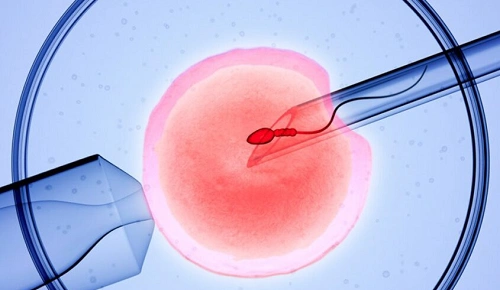
When people hear the word cataract, they usually think about elderly individuals. In many situations this is correct, but cataracts are not limited to older adults. Children, including newborn babies, can also develop this eye condition. In fact, cataracts in children require even more careful attention than those in adults because a child’s eyes and visual system are still developing. If not treated early, a cataract may interfere with proper vision development. Recognising symptoms early and seeking prompt medical care is therefore very important.
Understanding Paediatric Cataracts
A cataract in children occurs when the natural lens inside the eye becomes cloudy, preventing light from reaching the retina clearly. This leads to blurred or reduced vision and, if untreated, may result in severe visual loss.
Some children are born with cataracts, a condition known as congenital cataract. Although this situation is uncommon, it is treatable when detected early. Doctors often identify congenital cataracts shortly after birth during routine eye examinations. However, in certain cases the problem may not be noticed until the child begins to show signs of difficulty seeing clearly.
In regions like Bihar, awareness about childhood cataracts remains limited. Because of this, diagnosis and treatment are sometimes delayed. Early medical attention is essential, as untreated cataracts during childhood can lead to permanent vision problems.
Common Causes of Cataracts in Children
Childhood cataracts may develop due to several factors. Some of the most common causes include:
- Genetic or hereditary conditions
- Infections during pregnancy
- Premature birth
- Metabolic disorders
- Injury or trauma to the eye
- Certain illnesses during childhood
Sometimes doctors cannot determine the exact cause of the cataract. Even when the cause remains unknown, appropriate treatment can still be provided effectively.
Symptoms Parents Should Look For
Young children may not be able to explain vision problems clearly, which makes it important for parents to watch for possible warning signs. Early detection can significantly improve treatment outcomes.
- A white or grey spot visible in the centre of the eye
- Poor response to visual stimuli or difficulty focusing
- Frequent rubbing of one eye
- Misalignment of the eyes or squinting
Parents should pay attention to any unusual behaviour related to their child’s vision. If anything seems abnormal, consulting an eye specialist immediately is recommended. Delaying treatment can affect long-term visual development.
Is Surgery Required for Cataracts in Children?
Unlike cataracts that develop with age, childhood cataracts surgery usually cannot be corrected using glasses or medication alone. In many cases, surgery becomes the most effective treatment option, particularly when the cataract significantly blocks vision.
Timing plays a crucial role in treatment. If surgery is postponed for too long, the brain may not learn to process visual signals properly. This can lead to a condition known as amblyopia, commonly called lazy eye. Early surgical treatment greatly increases the chances of healthy visual development.
How Cataract Surgery Is Performed in Children
Cataract surgery for children differs from procedures performed on adults and requires specialised paediatric eye care. During the surgery, the cloudy natural lens is carefully removed from the eye.
After removal of the cataract, vision correction may be provided in different ways depending on the child’s age and eye condition:
- Implantation of an intraocular lens
- Use of contact lenses
- Prescription glasses after surgery
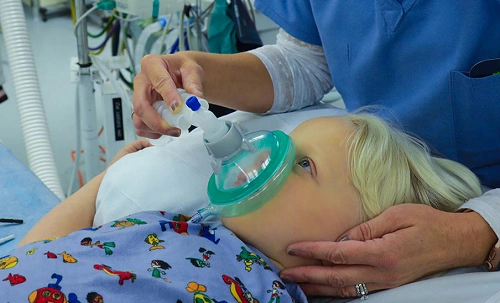
The procedure is generally carried out under general anaesthesia so that the child remains comfortable and does not move during the operation.
Care After Surgery and Vision Rehabilitation
Surgery is only one part of the treatment process. Proper care after the procedure is equally important to achieve the best results. Post-surgical management may involve:
- Regular use of medicated eye drops
- Scheduled follow-up visits with the eye doctor
- Vision correction using glasses or contact lenses
- Eye patching therapy if lazy eye develops
In many areas of Bihar, families sometimes struggle to maintain regular follow-up appointments. However, consistent monitoring after surgery plays a vital role in restoring and maintaining good vision.
Why Early Diagnosis and Awareness Matter
Identifying cataracts early greatly improves the chances of successful treatment. Eye screening for newborns and routine vision checks during childhood can help detect problems at an early stage.
Parents should consider getting their child’s eyes examined even if there are no obvious symptoms. Increasing awareness about childhood cataracts is particularly important in rural and semi-urban communities where specialised eye care facilities may not always be easily accessible.
Future Vision After Cataract Treatment
With timely surgery and proper follow-up care, many children can develop good functional vision and live normal, independent lives. The final visual outcome depends on several factors such as:
- The child’s age when surgery is performed
- The severity of the cataract
- Regularity of post-treatment care
- Presence of any additional eye disorders
Children who undergo cataract treatment often require ongoing monitoring throughout their growing years to ensure stable vision.
The Need for Better Paediatric Eye Care in Bihar
Bihar has a large population of children, making childhood eye health a significant concern. Increasing awareness, encouraging early diagnosis, and improving access to specialised treatment can help prevent avoidable blindness among children.
Parents, caregivers, and healthcare professionals must work together to recognise early signs of vision problems and ensure timely medical intervention.
Conclusion
Managing cataracts in children requires patience, planning, and long-term care. Although the diagnosis can be stressful for families, modern medical techniques provide highly effective treatment options. Early diagnosis, timely surgery, regular follow-ups, and active parental involvement are key to successful outcomes.
Providing clear vision during childhood supports not only better eyesight but also a child’s learning ability, development, and overall quality of life.