Yes, Sikkim is officially part of India. It is one of the northeastern states of India and became the 22nd state of the Indian Union in 1975.
However, Sikkim has a unique historical background because it was once an independent Himalayan kingdom before joining India. Due to this history, people sometimes ask questions about whether Sikkim is fully part of India today.
The answer is clear: Sikkim is internationally recognized as an Indian state and is fully governed under the Indian Constitution.
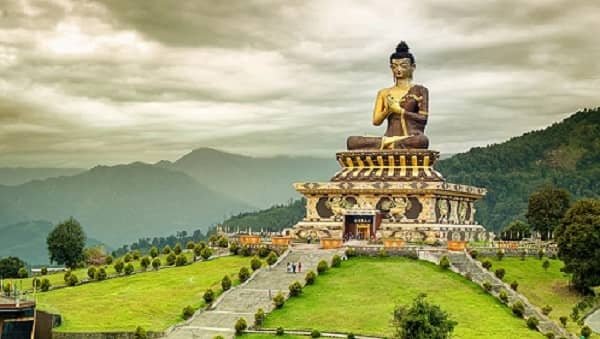
Where Is Sikkim Located?
Sikkim is a small Himalayan state in northeastern India.
It shares borders with:
- Nepal to the west
- Bhutan to the east
- China (Tibet Autonomous Region) to the north
- West Bengal to the south
The capital city of Sikkim is Gangtok.
Sikkim is famous for:
- Himalayan mountains
- Buddhist monasteries
- Natural beauty
- Organic farming
- Diverse cultures
It is also home to Kangchenjunga, the third-highest mountain in the world.
Sikkim Was Once an Independent Kingdom
Before becoming part of India, Sikkim was ruled by a monarchy known as the Chogyal dynasty.
The kingdom was established in the 17th century and had its own rulers, traditions, and administration.
For many years, Sikkim existed as a separate Himalayan kingdom influenced by Tibetan Buddhist culture.
British Influence and Protectorate Status
During British colonial rule in India, Sikkim became a protectorate of British India.
This meant:
- Sikkim retained internal autonomy
- Britain handled defense and external affairs
After India gained independence in 1947, Sikkim did not immediately merge with India.
Instead, it became an Indian protectorate under a special treaty in 1950.
Under this arrangement:
- India managed Sikkim’s defense and foreign relations
- Sikkim maintained internal self-governance under the monarchy
Why Did Sikkim Join India?
During the 1970s, political tensions increased inside Sikkim.
Many people demanded:
- Democratic reforms
- Reduction of monarchical power
- Closer integration with India
Political instability and protests weakened the authority of the Chogyal monarchy.
The 1975 Referendum
In 1975, a referendum was held in Sikkim regarding the future of the kingdom.
A large majority reportedly voted in favor of:
- Ending the monarchy
- Joining India as a full state
After the referendum, the Indian Parliament passed constitutional amendments making Sikkim an official state of India.
Sikkim formally became India’s 22nd state on May 16, 1975.
International Recognition
Today, Sikkim is internationally recognized as part of India.
Most countries and international organizations accept Indian sovereignty over Sikkim.
China and Sikkim
For many years, China was cautious about formally recognizing Sikkim as part of India because of broader India-China border disputes.
However, over time, China gradually acknowledged Sikkim’s status as an Indian state in diplomatic practice.
Today, Sikkim functions fully as part of India administratively and internationally.
Political and Administrative Status
Sikkim has:
- Its own elected state government
- Representation in the Indian Parliament
- Indian citizenship for residents
- Indian laws and constitution
The state participates fully in India’s democratic system.
Strategic Importance of Sikkim
Sikkim is strategically important because of its location near India’s borders with China, Nepal, and Bhutan.
Siliguri Corridor
The region lies close to the narrow Siliguri Corridor, sometimes called the “Chicken’s Neck,” which connects mainland India with the northeastern states.
Because of this, Sikkim has major military and strategic importance for India.
Border Tensions
Sikkim has occasionally been involved in India-China border tensions, including the 2017 Doklam standoff near the Bhutan border.
Culture and Diversity
Sikkim has a rich mix of cultures and communities, including:
- Lepchas
- Bhutias
- Nepalis
The state is known for:
- Buddhist monasteries
- Festivals
- Himalayan traditions
- Eco-tourism
Sikkim also became India’s first fully organic farming state.
Why Do Some People Still Ask This Question?
The question mainly comes from Sikkim’s history as a former independent kingdom and protectorate before 1975.
Some people outside India are unaware that Sikkim officially joined India through constitutional and political processes decades ago.
However, there is no major international dispute today regarding Sikkim’s status.
Final Answer
So, yes, Sikkim is fully part of India. It became an Indian state in 1975 after a referendum and constitutional integration process. Although Sikkim was once an independent Himalayan kingdom, today it is internationally recognized as one of India’s states with full political and administrative integration into the Republic of India.