April is an important month for crop management across many parts of India. Rising temperatures and changing soil moisture conditions create a favorable environment for weed emergence. If weeds are not managed early, they can compete with crops for water, nutrients, sunlight and space. This competition can reduce crop vigor and affect overall productivity.
Since weed growth varies across regions and cropping systems, farmers benefit from having a clear management roadmap. Knowing seasonal weed patterns and the right time to act can improve weed control during the season.
Understanding Seasonal Weed Patterns
Weeds do not appear uniformly in every field. Their emergence depends on factors such as temperature, rainfall, soil moisture and previous crop history.
During April, farmers may notice:
- Rapid weed germination after irrigation or pre-monsoon showers
- Increased growth of both grassy and broadleaf weeds
- Faster weed spread in fields with higher soil moisture
- Competition with young crops during their early growth stages
Fields with heavy weed pressure in previous seasons may face repeated infestations. Keeping field records and tracking weed patterns each year helps farmers predict possible problems.
Why Early Weed Management Matters
Young crops are especially sensitive to weed competition. During early crop growth, weeds can grow quickly and use available resources before crops are fully established.
Delayed weed control may result in:
- Reduced nutrient availability
- Lower moisture availability for crops
- Uneven crop growth
- Increased management challenges later in the season
Identifying Critical Spraying Windows
Timing is one of the most important aspects of weed management. Applying weed control measures during the appropriate growth stage can improve overall effectiveness.
Some useful practices include:
- Monitoring fields regularly during early crop growth stages
- Identifying weed species and their growth stages
- Avoiding delays that allow weeds to become well-established
- Following recommended application timings and label instructions
Critical spraying windows often occur when weeds are young and actively growing. Early intervention can help prevent weeds from reaching advanced stages where management becomes more difficult.
Building an Integrated Weed Management Plan
An effective weed management program usually combines several approaches rather than relying on a single method.
Some helpful practices include:
- Maintaining field sanitation and reducing weed seed buildup
- Following suitable crop rotation practices whenever feasible
- Monitoring weed emergence after irrigation and rainfall
- Using appropriate herbicide programs based on crop and weed conditions
How Laudis Helps
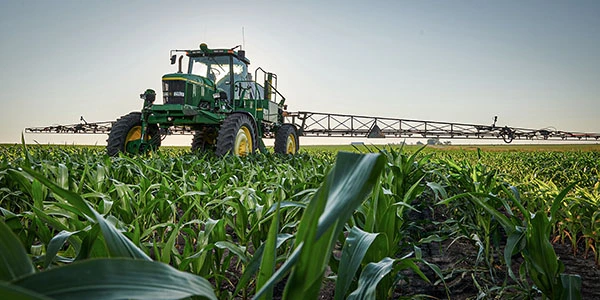
Laudis is a post-emergence herbicide developed for use in maize. It is designed for the management of both broadleaf and grassy weeds.
Laudis provides broad-spectrum weed control and can be applied over a wide application window. It also offers excellent crop safety in maize under recommended conditions.
The herbicide works by inhibiting the HPPD enzyme in plants. This action disrupts chlorophyll production, leading to bleaching symptoms in susceptible weeds and eventually affecting their growth.
Laudis further provides post-emergence control of weeds and has the flexibility to be used across different stages within the recommended application period. As with any herbicide, farmers should carefully follow label instructions and local recommendations regarding application practices.
Conclusion
Managing April weed pressure requires proper planning and regular field monitoring. Understanding seasonal weed patterns, identifying critical spraying windows and adopting integrated weed management practices can help farmers address the problem before it becomes severe.
Laudis offers farmers a reliable post-emergence option for maize weed management when applied as per label directions, supporting broader integrated weed control programmes.