We live fast. Too fast, honestly. Screens wake us up. Screens put us to sleep. We eat food that travelled more than we did last year. And somehow, we call this progress.
But here’s the uncomfortable truth: humans were never designed for this level of indoor, artificial living. We evolved with soil under our feet, sunlight on our skin, and food that came straight from the earth. When we moved away from that, something inside us started breaking slowly, silently.
This is why the importance of nature is a health requirement. Natural living isn’t a trend. It’s a return. And the impact on human health, both mental and physical, is deeper than most of us realise.
Let’s talk about what really happens when life moves closer to nature.
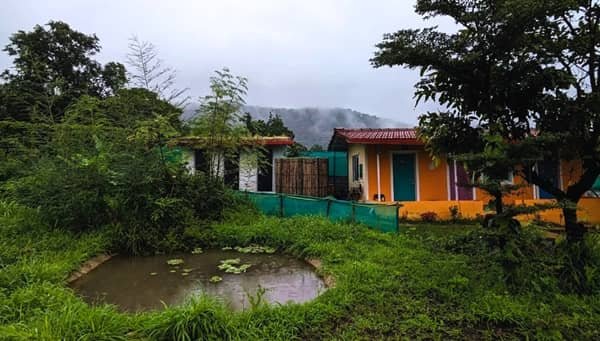
Why Nature Still Matters
The conversation around nature and its importance often sounds obvious, so we ignore it. But look at the data and your own life.
Studies show that we spend more than 80% of our time indoors. That alone explains rising anxiety, poor immunity, sleep disorders, hormonal issues, and emotional burnout. This is exactly why researchers are now studying nature and mental health statistics instead of just prescribing pills.
The real question is no longer “Is nature important?” It’s how does nature affect humans at a biological level?
The answer is simple: it regulates us.
Our nervous system, hormones, digestion, and even immune responses are designed to sync with natural rhythms not notifications.
Healing the Body: Food That Comes From Living Soil
When we talk about natural living, food is the first reset button. Healthy soil means healthy humans. Period.
Food grown in chemical-heavy, depleted soil may look fine, but nutritionally, it’s hollow. Regenerative, chemical-free farming changes that completely. Crops grown in living soil carry higher phytonutrients, antioxidants, and mineral density. This directly influences the impact on human health.
Here’s what changes when food comes from the soil, not factories:
- Better gut health (and yes, your gut controls immunity)
- Reduced inflammation
- Fewer hormonal disruptions from pesticide residue
- Stronger immunity and energy levels
This is one of the most overlooked benefits of going amidst nature, you eat food that actually nourishes instead of just filling space.
At places like Swasya’s managed farmlands, food is grown the way it is meant to be grown. Slow. Seasonal. Respectful of soil life. And your body feels that difference, within weeks.
Nature as Medicine: What Happens to the Mind
Now let’s talk about the mental side. Because this is where nature quietly performs miracles.
Modern psychology now openly studies how nature improves mental health, because the results are impossible to ignore.
Time spent in green spaces has been shown to:
- Lower cortisol (stress hormone)
- Improve sleep cycles
- Reduce symptoms of anxiety and depression
- Increase attention span and emotional regulation
These are not feel-good theories. They’re backed by growing nature and mental health statistics across countries.
When you walk through trees, near water, or open farmland, your nervous system downshifts from “fight or flight” to “rest and restore.” No app does that. No supplement does that.
This is how nature affects humans, not emotionally, but neurologically. And this is why even short exposure to green spaces has a visible impact on human health.
The Forgotten Need: Belonging & Community
Here’s something no wellness influencer talks about enough. Humans don’t just need nature.
They need shared nature.
One of the quiet benefits of natural living communities is the sense of belonging. Urban life isolates us even when we’re constantly “connected”. Living close to land, farms, and shared green spaces brings back:
- Slower conversations
- Shared meals
- Collective responsibility
- Purpose beyond consumption
This is where soil meets soul.
Owning or being part of managed farmland isn’t about escape. It’s about stewardship. Tending a garden. Watching seasons change. Knowing where your food comes from. Feeling useful again.
This connection answers a deep question modern life ignores: how does nature affect humans emotionally and socially?
It grounds us. Literally and metaphorically.
Daily Nature Exposure: Small Shifts, Big Impact
You don’t need to quit your job or move tomorrow. Natural living starts with intention.
Here are realistic ways to reconnect:
- Morning sunlight before screens (10 minutes is enough)
- Eat at least one farm-sourced ingredient daily
- Work near plants or open windows
- Spend weekends outdoors, not malls
- Support local farmers or eco-conscious communities
These small steps already tap into the importance of nature and begin changing your mental and physical state.
Why Swasya Aligns With Natural Living
Swasya Living isn’t about running away from modern life. It’s about redesigning it.
By combining managed farmland, regenerative practices, community spaces, and nature-first planning, Swasya supports a lifestyle where wellness is not scheduled, it’s built in.
The philosophy is simple:
- Nourish the soil
- Respect natural rhythms
- Build human-scale communities
- Let health emerge naturally
This approach reflects everything we now understand about nature and its importance, how does nature improve mental health, and the long-term impact on human health.
Final Thought: This Isn’t Nostalgia. It’s Survival.
Natural living isn’t about going backward. It’s about going home, to systems that actually work for humans.
When we reconnect with soil, sunlight, food, and community, something shifts inside us. Stress softens. Health improves. The mind steadies.
The importance of nature is not philosophical anymore. It’s practical. Scientific. Necessary.
And when we honour it, truly, the soul follows.
FAQs
1. Why is the importance of nature being discussed so much today?
Because modern lifestyles keep us indoors and stressed. Research clearly shows the importance of nature in regulating stress hormones, improving immunity, and restoring mental balance that urban living disrupts.
2. How does nature affect humans mentally and emotionally?
Nature slows the nervous system. Exposure to green spaces lowers anxiety, improves focus, and stabilises mood. This is exactly how nature affects humans by calming the brain and reducing mental overload.
3. How does nature improve mental health in daily life?
Spending time outdoors, eating natural food, and living closer to greenery reduces cortisol levels. That’s how nature improves mental health naturally, without medication or complex routines.
4. What are the real benefits of going amidst nature regularly?
The benefits of going amidst nature include better sleep, lower stress, improved digestion, stronger immunity, and a noticeable sense of emotional clarity and calm.
5. What does research say about nature and mental health statistics?
Multiple studies show people living closer to green spaces report lower depression rates, better emotional resilience, and improved overall impact on human health compared to dense urban environments.