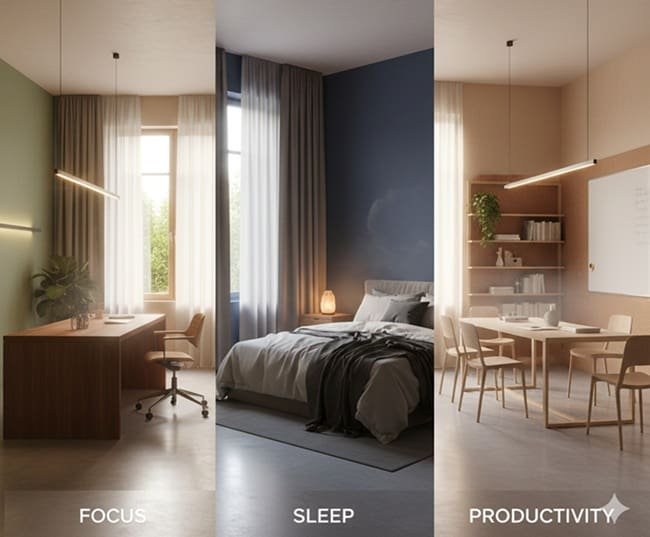
When someone considers updating a wall without relying solely on paint or wallpaper, they often turn to textured panels that add depth to the space. Fluted panels or slatted wall designs have become very popular lately because they break up the flat surfaces of a room and catch the light in a way that standard flat panels cannot. It is a simple way to make a home look more architectural and finished without undertaking a major renovation that involves knocking down walls or spending a fortune on wood carvings. People want a high-end look, but they also need materials that can withstand the dust and humidity of the Indian climate. Selecting a louver style for your home is about finding the right balance between slat width and color to suit the mood of each room.
Picking The Right Texture For The Bedroom And Living Area
The bedroom is usually a place where you want things to feel soft and calm, so a very busy or sharp pattern might not be the best fit for that space. Many people choose to put a few panels behind the headboard to create a focal point that feels cozy rather than industrial or cold. You can look at different wall panels to see how a wood-grain finish can add warmth to a room while maintaining the modern slatted look. It is a realistic observation that wider slats tend to feel more relaxed and traditional, while very thin, tightly spaced lines look much more modern and sharp. The shadow lines created by the panels are what actually give the wall its character, so you should think about where the light comes from in your room.
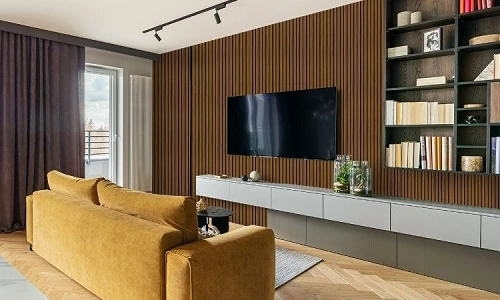
In the living room, you have a bit more freedom to be bold with your choices since this is the area where you entertain guests and spend most of your time. A dark charcoal or a deep walnut louver can make a television unit look like a piece of art rather than just a black box on the wall. Brands like Advance Laminates provide a variety of these styles that work well for large feature walls because they are easy to clean and do not warp like natural wood often does over time. It is simple logic: if a material stays straight and true, it will look much better ten years from now than something that reacts to every change in the weather. You might consider using these panels on the ceiling to add height to the room or to hide some messy wiring for the lights.
Practical Styles For The Home Office And Workspace
A home office needs to feel professional, but it also needs to be a place where you can focus without being distracted by too much visual noise. Using a neutral or a light oak color for the walls can help keep the space feeling bright and open, which is helpful if the room is on the smaller side. A louver on a single wall behind your desk can also improve the room’s acoustics by breaking up sound waves rather than letting them reflect off flat walls. This is a practical detail people notice during video calls: a room without the empty, echoing sound many offices experience.
It is also worth considering the material itself, as some panels are made of charcoal or polymer, which are lightweight and easy for a carpenter to install in just a few hours. You do not want a product that requires extensive maintenance or one that attracts termites during the monsoon season. Small design details can make a small office feel more organized and purposeful, helping you get into a work mindset faster. The goal is to create a space that feels intentional, where every element has been chosen to complement the room’s intended use.