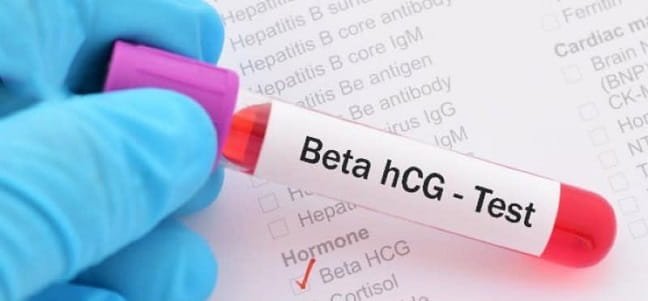
Have you ever wondered how doctors monitor your baby’s health even before birth? Pregnancy involves a series of important check-ups, and modern medicine allows early assessment of fetal development through specialised tests.
Two commonly recommended approaches are prenatal screening and diagnostic testing. While these terms are often used together, they serve different purposes. Understanding this difference helps expectant parents make informed decisions. Consulting specialists at a trusted Fetal Medicine Hospital in Bangalore ensures accurate guidance based on individual pregnancy needs.
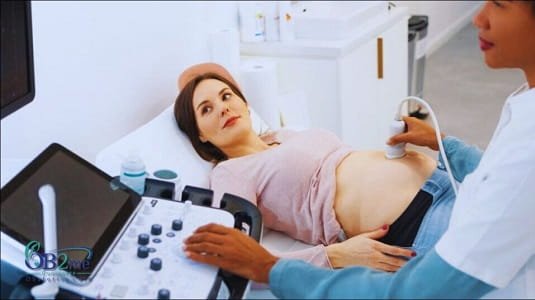
What is prenatal screening?
Prenatal screening refers to non-invasive tests performed during pregnancy to assess the likelihood of certain genetic conditions or birth abnormalities. These tests do not confirm a condition but indicate whether there is a higher or lower risk.
Screening is typically performed during the first and second trimesters and is safe for both the mother and the baby. Common screening tests include first-trimester screening, non-invasive prenatal testing (NIPT), the quad marker test, nuchal translucency scan, and anomaly ultrasound.
These tests evaluate specific markers that may suggest conditions such as Down syndrome, trisomy 18, trisomy 13, or neural tube defects. Therefore, screening acts as an initial step to identify pregnancies that may need further evaluation.
What is diagnostic testing during pregnancy?
Diagnostic testing is used to confirm whether a baby has a specific genetic or chromosomal condition. These tests are more definitive and are usually recommended when screening results indicate increased risk or when there is a relevant medical history.
Unlike screening tests, diagnostic procedures may involve minimal invasion, as they require collecting samples for detailed analysis. Common diagnostic tests include amniocentesis and chorionic villus sampling (CVS).
These tests analyse fetal cells or genetic material to provide a clear diagnosis. Hence, diagnostic testing offers more accurate results and helps guide further medical decisions.
Key differences between screening and diagnostic tests
The main difference lies in their purpose. Prenatal screening estimates the probability of a condition, whereas diagnostic testing confirms its presence.
Screening tests are non-invasive and widely used in routine care. In contrast, diagnostic tests involve procedures such as amniotic fluid or placental tissue sampling, which carry a small but measurable risk.
Additionally, screening is performed earlier in pregnancy, while diagnostic tests are recommended when further confirmation is required. Therefore, both tests complement each other in ensuring comprehensive prenatal care.
Why is prenatal testing important?
Prenatal testing plays a vital role in monitoring fetal health and detecting potential concerns early. Early identification allows doctors to plan appropriate care and support parents in decision-making.
These tests help track fetal growth, identify genetic conditions, and reduce uncertainty during pregnancy. Moreover, they provide reassurance when results are normal and allow timely intervention when needed.
Specialists at an experienced Obstetrics and Gynaecology Hospital in Bangalore often recommend a combination of screening and, if required, diagnostic testing as part of standard pregnancy care.
Who may need diagnostic testing?
While screening tests are recommended for most pregnancies, diagnostic testing is advised in specific situations. These include cases in which screening results indicate a higher risk, there is a family history of genetic conditions, or ultrasound findings raise concerns.
Additionally, women above the age of 35 or those with previous pregnancy complications may be advised to undergo further evaluation. Doctors carefully assess each case before recommending diagnostic procedures.
How do doctors help choose the right test?
Choosing between screening and diagnostic testing depends on multiple factors, including medical history, pregnancy stage, and individual risk. Doctors provide detailed counselling to help parents understand the benefits and limitations of each option.
They consider factors such as previous pregnancy outcomes, family history, and results of initial screening tests. Therefore, guidance from experienced specialists ensures appropriate and personalised care.
Emotional considerations for expecting parents
Prenatal testing can sometimes cause anxiety for expectant parents. Understanding the purpose and limitations of each test helps reduce uncertainty and stress.
Open communication with healthcare providers is important. Discussing concerns and expectations allows parents to feel more confident throughout their pregnancy journey. Support from experienced medical teams ensures clarity and reassurance.
Conclusion
Prenatal screening and diagnostic testing are both essential components of modern pregnancy care. Screening tests help assess the risk of certain conditions, while diagnostic tests provide confirmation when needed.
Understanding the differences between these approaches helps expectant parents make informed decisions.
With expert guidance from specialists at a trusted Fetal Medicine Hospital in Bangalore and comprehensive care at an established Obstetrics and Gynaecology Hospital in Bangalore, parents can navigate their pregnancy with confidence.
Timely testing, accurate interpretation, and personalised care are crucial to ensuring a healthy pregnancy and positive outcomes for both mother and baby.