Finding the right plumber can save homeowners significant time, money, and stress. An estimated 30% of home repairs result from improper or inefficient plumbing work. Making the right choice ensures your investment is protected and your home is safe from water damage.
In this article, we will explore critical questions to guide you in making an informed decision. From evaluating a plumber’s experience to understanding cost estimates, these questions are crucial for your next plumbing project.
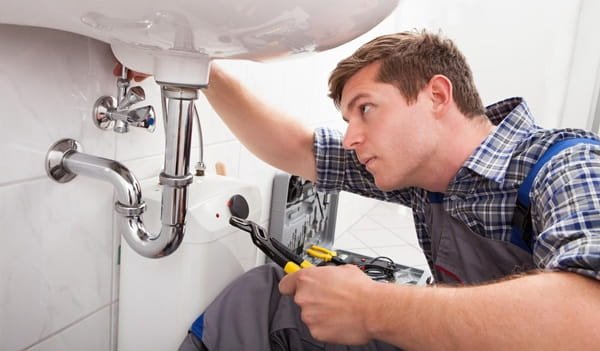
Questions to Ask About Plumber’s Experience
Experience is a key factor in assessing a plumber’s capability to handle your project. Most plumbing issues are unique, requiring expertise that comes with years of practice. Asking about their specific experience in similar projects can give you peace of mind.
For instance, a seasoned plumber has likely dealt with a variety of problems, from minor leaks to complex plumbing installations. This breadth of knowledge ensures they are prepared to address unexpected challenges. Ideally, your plumber should have at least five years of experience.
When evaluating potential hires, inquire about their previous work and any specialized training. plumber This will help you gauge their readiness for your specific needs, and it’s an opportunity to assess how well they fit your particular project.
Licensing and Insurance Requirements for Plumbers
Ensuring your plumber is licensed and insured protects you from potential liabilities. In the U.S., each state mandates specific licensing requirements to ensure plumbers meet industry standards. Homeowners should verify a plumber’s credentials before hiring.
Proper insurance shields you from costs associated with accidental damages or injuries on the job site. Moreover, most professional plumbers will also carry liability insurance for added security. Protecting your home from unqualified workers is paramount to preventing costly future repairs.
To verify licensing and insurance, request to see their documentation and contact the relevant agencies if necessary. Check online directories for a plumber’s record of credentials and related information. According to Forbes.com, vetting a plumber’s qualifications can significantly lower homeowner risks.
Understanding Plumbing Costs and Estimates
Getting a reliable estimate is crucial in avoiding unexpected expenses. Plumbers should provide a detailed breakdown of costs, covering materials, labor, and any additional fees. Always request a written estimate before proceeding with any work.
The average hourly rate for plumbers ranges from $45 to $200. Price variations often depend on the project complexity and the plumber’s location. Understand what the estimate covers, and ask about variables that might alter the cost.
It is advisable to compare estimates from at least three different providers to ensure competitive pricing. A well-documented estimate helps in avoiding future disputes and gives clarity on the project’s financial requirements. The Healthline guide suggests discussing payment terms before work begins.
Warranty and Service Guarantees in Plumbing Services
A warranty reflects the plumber’s confidence in their workmanship. Most reputable plumbers offer warranties that cover their work and the materials used for up to a year. This assurance provides homeowners with recourse if problems arise post-service.
Services guarantees often include free repairs for any faults arising from work completed during the guarantee period. This level of service reveals the plumber’s commitment to client satisfaction and quality service delivery.
Before committing, ask your plumber for written documentation of any warranties or service guarantees. Clarify the terms and conditions to fully understand your rights, should issues occur. Knowing what is covered provides valuable peace of mind for homeowners.
Ultimately, asking the right questions ensures you hire a competent, qualified, and reliable plumber. Each query acts as a safeguard, protecting your home from inadequate repairs and unexpected expenses. Follow these guidelines to make an informed decision on your next plumbing project.