Everyone knows someone who seems to have figured out money. The colleague who bought a house at thirty. The cousin who talks about “passive income” without sounding like a scammer. The friend who actually enjoys checking their portfolio. Here’s the secret: they didn’t stumble into wealth. They chose tools that work while they sleep.
Finding a single amazing purchase is not the key to building long-term wealth. It includes joining various related options—some for steady income, some for growth, and others for security. The people who get this right rarely put all their eggs in one basket.
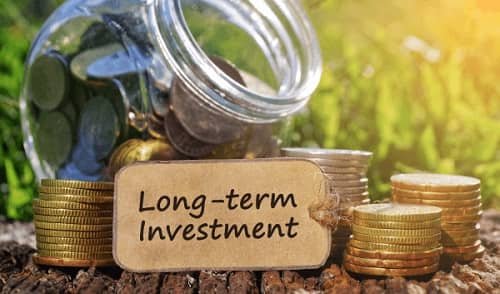
The Power of Showing Up Consistently
There’s something almost boring about the most reliable wealth-building strategy. No dramatic stock picks. No timing the market. Just showing up month after month with a fixed amount to invest.
Systematic Investment Plans work because they remove the hardest part: decision-making. A person who commits to making daily purchases will surely buy more when prices are low and less when they are high, regardless of the state of the market. It’s not sexy, but it works.
Many people want to see the maths before they begin. A sip calculator online helps map out what consistency actually delivers. When you put a monthly sum, pick a timeframe, and project returns, the unclear “I should invest more” becomes “If I start now, I could have this much by forty.” It’s real because of the stats.
Beyond Just Stocks and Mutual Funds
While stocks make news, smart investors are spread over several playgrounds:
- Debt funds and fixed accounts for security and steady returns
- Real estate for tangible assets and rental income potential
- Gold as a hedge when everything else goes sideways
- Retirement accounts with tax benefits that compound over decades
- Direct stocks for those willing to research individual companies
Each serves a different purpose. The emergency fund stays liquid. The retirement corpus grows untouched. The “maybe start a business someday” fund takes calculated risks. By keeping these buckets apart, fear decisions are avoided when one area suddenly drops.
Technology Has Changed the Game
Do you remember the days when buying meant going to a broker’s office or calling during trading hours? They are no longer obstacles. Anyone with a smartphone can now begin collecting riches while travelling or in between meetings.
An online trading app puts control directly in people’s hands. Real-time account tracking, automatic investment setup, business study, and middleman-free deal completion are all possible with them. Access is only one part of democratisation; information is another. Professionals and amateur investors are on an even playing field thanks to real-time data, study reports, and training tools.
This is important because people actually follow the best financial method. People put things off if they are annoyed by lengthy paperwork or expensive costs. Consistency is made possible when tools are easy to use and simple.
Planning With Actual Numbers
Dreaming about wealth is easy. Calculating what it actually takes? That’s where truth and desire meet.
Future-focused tools ease the shift from “I want to be comfortable” to “I need to invest this much monthly for fifteen years.” Many investors frequently use an sip calculator online to test situations, tweak factors, and see how everything changes if they start five years sooner.
Uncomfortable facts are exposed by these formulas. Dreams and present habits can occasionally differ more than expected. However, they also show what is possible. Compounding allows little gains in regular payments over an extended period of time to produce unexpected results.
The Long View Always Wins
Markets will crash. Inflation will spike. New investment fads will promise overnight riches and deliver heartbreak. Genuinely wealthy people stay true to their mix and ignore the noise.
Various financial options work as a band’s instruments. When one person stops singing, someone else takes up the tune. The key is to start, no matter how small, and let time handle the rest. Dramatic events don’t make wealth. It’s built in the quiet consistency of ordinary Tuesdays when someone chooses to invest instead of spending.